


Product
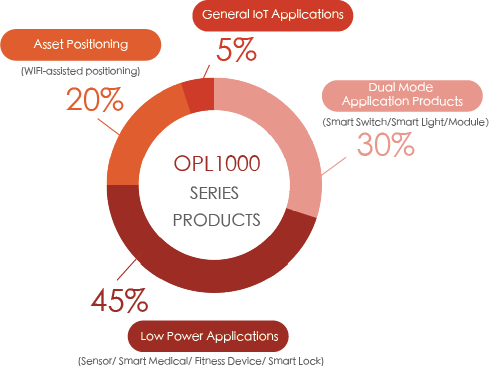
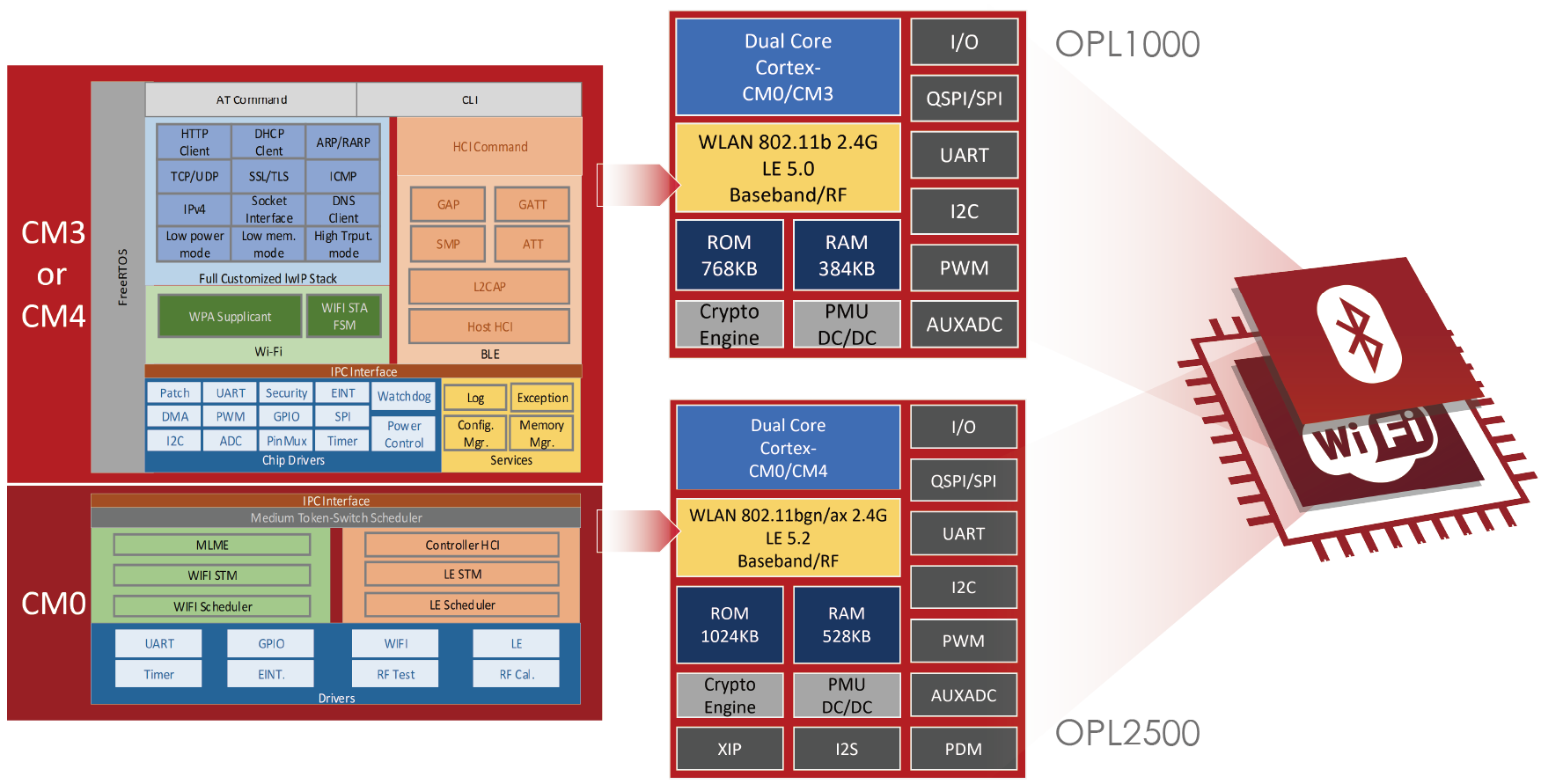
OPL1000 series products
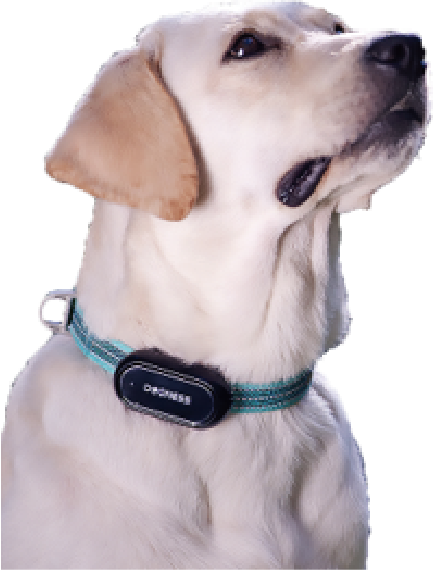

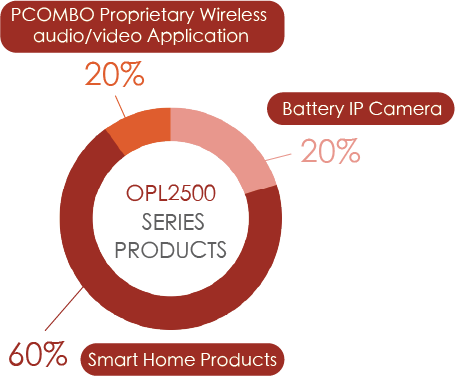
Market Application Statistics
OPL 1600
- Features
Extreme low power consumption WIFI/BLE IOT dual-mode solution
- Application
Battery Powered IoT Applications
- Highlights
Extreme low power consumption WIFI/BLE IOT dual-mode solution
- Sleep Function
Turned on

| Embedded Flash | 8Mbits |
|---|---|
| Firmware | Standard OPL1000 Series SDK |
| XIP | no |
| SRAM | 384KB |
| WIFI | 802.11b |
| Security | WPA/WPA2 |
| LE | 5.0 with 2Mbps |
| LE Master/Slave | Slave |
|---|---|
| LE Mesh | No |
| GPIO # | 24 |
| Digital Interface | UART*2, SPI*3, I2C *1 |
| Analog Interface | PWM*6, ADC, 16mA Driving I/O |
| Package | 48-pin QFN, 6mm x 6mm |
OPL 1800
- Features
General Dual Mode Requirements
- Application
Various IoT applications
- Highlights
Low cost dual mode
- Sleep Function
Turned on

| Embedded Flash | 8Mbits |
|---|---|
| Firmware | Standard OPL2000 Series SDK |
| XIP | no |
| SRAM | 528KB |
| WIFI | 802.11 b/g/n/ax with 20MHz BW |
| Security | WPA/ WPA2/ WPA3 |
| LE | 5.2 with 2Mbps, Long distance |
| LE Master/Slave | Master / Slave |
|---|---|
| LE Mesh | Yes |
| GPIO # | 37 |
| Digital Interface | UART*2, SPI*3, I2C *1, I2S*1, PDM, Camera Port(OV2640) |
| Analog Interface | PWM*6, ADC, 16mA Driving I/O |
| Package | 48-pin QFN, 6mm x 6mm |
OPL 2500S
- Features
WIFI6 IOT dual-mode solution
- Application
General IoT applications
- Highlights
Low cost WIFI6 dual mode
- Sleep Function
Turned off

| Embedded Flash | 8Mbits |
|---|---|
| Firmware | Standard OPL2000 Series SDK |
| XIP | Yes |
| SRAM | 528KB |
| WIFI | 802.11 b/g/n/ax with 20MHz BW |
| Security | WPA/ WPA2/ WPA3 |
| LE | 5.2 with 2Mbps, Long distance |
| LE Master/Slave | Master / Slave |
|---|---|
| LE Mesh | Yes |
| GPIO # | 37 |
| Digital Interface | UART*2, SPI*3, I2C *1, I2S*1, PDM, Camera Port(OV2640) |
| Analog Interface | PWM*6, ADC, 16mA Driving I/O |
| Package | 48-pin QFN, 6mm x 6mm |
OPL 2500P
- Features
Low-power WIFI6 IOT dual-mode solution
- Application
Batteries and general IoT applications
- Highlights
Ultra-low power consumption WIFI6 dual mode
- Sleep Function
Turned on

| Embedded Flash | 8Mbits |
|---|---|
| Firmware | Standard OPL2000 Series SDK |
| XIP | Yes |
| SRAM | 528KB |
| WIFI | 802.11b/g/n/ax with 20MHz BW |
| Security | WPA/ WPA2/ WPA3 |
| LE | 5.2 with 2Mbps, Long distance |
| LE Master/Slave | Master / Slave |
|---|---|
| LE Mesh | Yes |
| GPIO # | 37 |
| Digital Interface | UART*2, SPI*3, I2C *1, I2S*1, PDM, Camera Port(OV2640) |
| Analog Interface | PWM*6, ADC, 16mA Driving I/O |
| Package | 48-pin QFN, 6mm x 6mm |
OPL 2500M
- Features
Wireless High Quality Audio/Video Solution
- Application
Wireless gaming headsets, wireless theater speakers, gaming joysticks
- Highlights
Ultra-low power consumption WIFI6 dual mode
- Sleep Function
Turned on
| Embedded Flash | 8Mbits |
|---|---|
| Firmware | Standard OPL2000 Series SDK |
| XIP | Yes |
| SRAM | 528KB |
| WIFI | 802.11b/g/n/ax with 20MHz BW |
| Security | WPA/ WPA2/ WPA3 |
| LE | 5.2 with 2Mbps, Long distance |
| LE Master/Slave | Master / Slave |
|---|---|
| LE Mesh | Yes |
| GPIO # | 37 |
| Digital Interface | UART*2, SPI*3, I2C *1, I2S*1, PDM, Camera Port(OV2640) |
| Analog Interface | PWM*6, ADC, 16mA Driving I/O |
| Package | 48-pin QFN, 6mm x 6mm |


Development Process

Evaluate
Carry out product suitability and feasibility evaluation based on product characteristics, such as performance, power consumption, memory, networking convenience, etc.

Develop
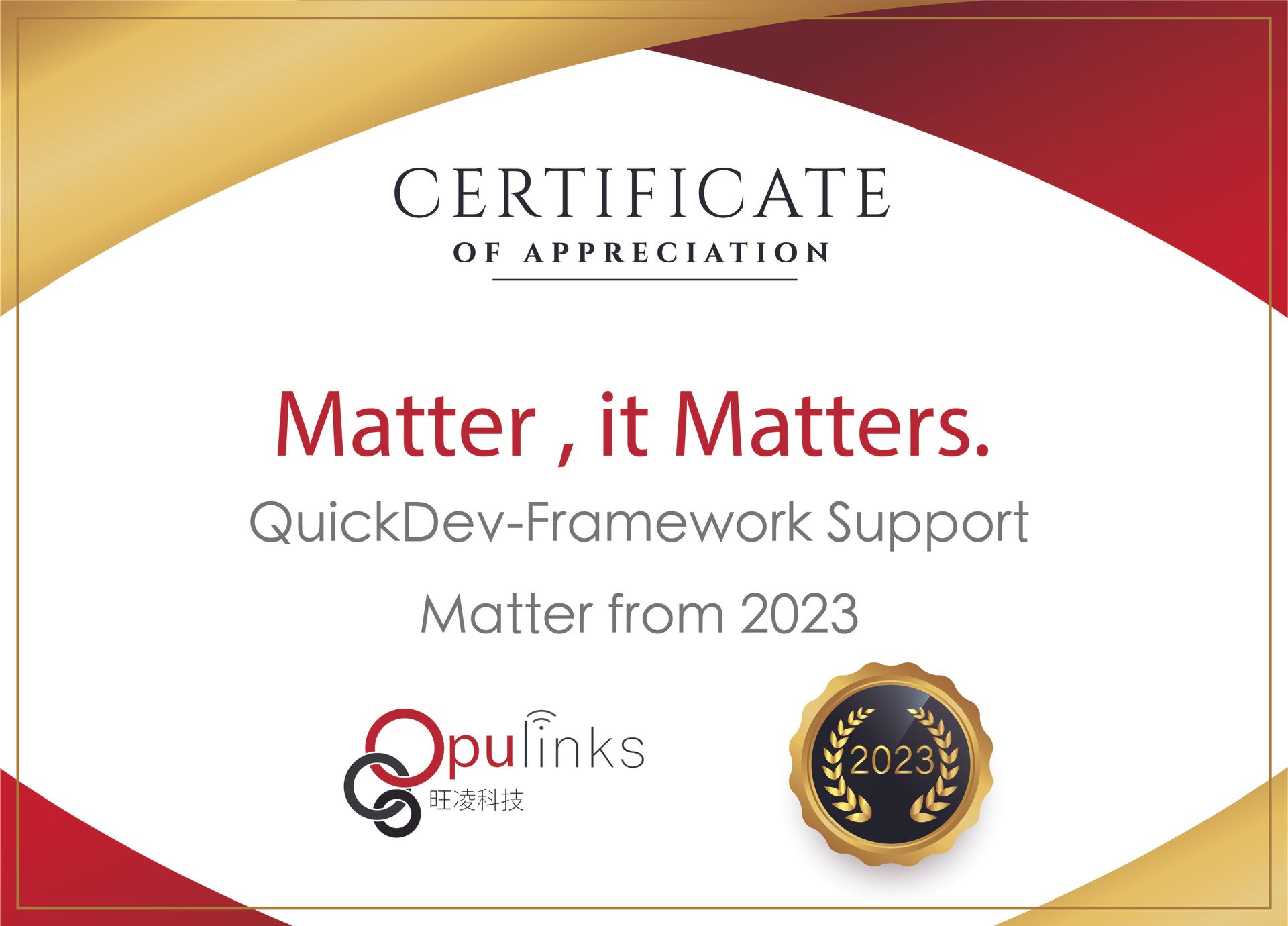
Provide (HDK) and (SDK), and also provide a rapid development framework package solution (QuickDev Framework), including productizable application layer code, and various reference designs to help customers quickly develop product projects

Verify
During the product development process, engineers conduct unit testing and integration testing on each module; after product development is completed, use automated test scripts to conduct functional testing and stress testing on the system surface

Mass Production
After the customer completes the product development and enters the mass production stage, provide tools such as firmware download, function test, and mobile app to assist the customer in mass production testing